
Is Advanced Sonar Technology Worth the Investment for Freshwater Fishing?


My uncle Tim Watson Kab Angling Adventures- local Kabetogama legend was talking to me about recent articles that I've put out and said "you should do something about fishing without all the fancy electronics". "The Griz" Dick Grzywinski, is a walleye legend that often talks about the traditional ways of finding depth and structure as keys to find walleyes. These two legends got me thinking...do we rely on technology to much? Are we losing the ways or how we fished 10, 15, 20 years ago (or longer)?
Must see YouTube video from "the Griz"- "catching fish without forward facing sonar"
Nearly daily fishing technology is changing!!! The simple activity of a hook, bobber, and

worm that we all (most of us) grew up on has evolved significantly with technology, and one of the most talked-about tools is advanced sonar, including forward-facing sonar. Anglers often wonder if spending extra on these features truly improves their fishing experience or if traditional sonar is enough. This post explores the benefits, drawbacks, and real-world value of advanced sonar technology in freshwater fishing. In this article, I picked and pulled from other resources (links below) and added my own insights, so let's get to know "fish finders" a little bit better.
What Is Advanced Sonar and Forward-Facing Sonar?
Traditional sonar sends sound waves directly beneath the boat to map underwater structures and fish. Advanced sonar, especially forward-facing sonar, adds the ability to scan ahead of the boat. This means anglers can see fish and obstacles before reaching them, allowing for better navigation and targeted fishing.

Forward-facing sonar uses high-frequency sound waves to create detailed images of underwater terrain and fish schools in front of the boat. This contrasts with traditional down imaging sonar, which only shows what’s beneath the vessel.
Benefits of Advanced Sonar in Freshwater Fishing
Improved Fish Detection and Targeting
Advanced sonar provides clearer, more detailed images of fish and underwater structures. This helps anglers identify:
Fish species and sizes
Schools of fish versus single targets
Hiding spots like submerged trees, rocks, and drop-offs
With forward-facing sonar, anglers can spot fish before they get close, allowing them to adjust their approach or bait presentation.
Safer Navigation

Freshwater bodies often have hidden hazards such as shallow areas, submerged logs, or rocks. Forward-facing sonar helps detect these obstacles early, reducing the risk of damaging the boat or getting stuck.
Time Efficiency
Spending less time searching for fish means more time catching them. Advanced sonar speeds up locating productive fishing spots by providing real-time, detailed underwater views.
Versatility in Different Conditions
Advanced sonar performs well in murky water or low-light conditions where visual cues are limited. It also helps when fishing in unfamiliar lakes or rivers, giving anglers confidence in their navigation and fishing strategy.
Drawbacks and Considerations

Higher Cost
Advanced sonar systems, especially those with forward-facing capabilities, can be expensive. Prices often range from several hundred to a few thousand dollars, depending on features and brand.
Learning Curve
These systems come with complex interfaces and settings. Anglers need time to learn how to interpret sonar images correctly and adjust settings for different environments.
Power and Installation
Advanced sonar units may require more power and professional installation. This can add to the overall cost and complexity, especially for smaller boats or kayaks.

When Is Advanced Sonar Worth It?
Frequent Anglers and Serious Hobbyists
If you fish regularly and want to improve your catch rate, advanced sonar can be a valuable investment. The ability to find fish faster and navigate safely pays off over time.
Fishing in Complex or Large Water Bodies

Lakes with lots of underwater structures or large rivers benefit from forward-facing sonar. It helps anglers avoid hazards and locate fish in challenging environments.
Competitive Fishing
For tournament anglers, every advantage counts. Advanced sonar provides detailed information that can make the difference between winning and losing.
When Traditional Sonar Might Be Enough
Casual or Occasional Anglers
If fishing is a weekend hobby or occasional activity, a basic sonar unit may provide sufficient information without the extra cost.
Small or Simple Water Bodies
In small ponds or lakes with minimal underwater obstacles, traditional down imaging sonar often works well.
Budget Constraints
If budget is tight, investing in quality basic sonar and learning to use it effectively can still improve fishing success.

Tips for Choosing the Right Sonar System
Assess your fishing style: Consider how often and where you fish.
Set a budget: Balance features with what you can afford.
Look for user-friendly interfaces: Easier systems reduce the learning curve.
Check power requirements: Ensure your boat can support the unit.
Read reviews and ask other anglers: Real-world feedback helps identify reliable models.
Why Upgrade?
Side Imaging (SI): Allows you to scan up to 100+ feet on both sides of the boat, helping you find structure and fish without driving over them. It is a "game changer" for finding productive areas, especially in water less than 50 ft deep.
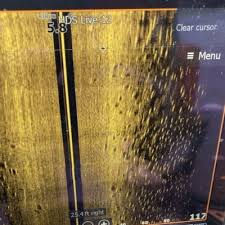
Forward-Facing Sonar (FFS/Live): Provides a real-time, video-like view of fish moving and reacting to your bait, allowing you to catch specific, visible fish.
Efficiency: Both technologies help you eliminate dead water faster, maximizing your fishing time.
YouTube +5
Why You Can Wait (or Not Upgrade):
Cost: These units are expensive investments. $700-$3000
Skill Development: Learning to read structure, current, and seasonal patterns (traditional methods) is still the foundation of fishing.
Effectiveness in Current: FFS can be difficult to use in heavy current, where visual scouting is sometimes better.
Fish Spooking: In high-pressure scenarios, some anglers believe excessive sonar pings can spook fish.
Technology Best for How it helps catch more fish
Traditional 2D Finding depth & bait Shows "history" of what passed technology under the boat;
Down Imaging Depth and image scan Objects under the boat with more below the boat clarity, definition and covers bottom 6" better than 2D

Side-imaging Great for scouting large areas for Scans 100 feet either side, fish or structure identifies rocks, logs, structure, weedlines and fish
Forward Facing Targeting specific fish Shows a live, real-time video-like view in front of the boat; you can see fish react to your lure.
2D vs Down Imaging
See link from "The Technological Angler" YouTub Link
2D Sonar Highlights
Beam Shape: A wide, cone-shaped beam is used, which covers more area.
Best Use: Effective at finding fish, monitoring deep water (over 20-30 feet), and identifying bottom hardness.
Fish Representation: Fish typically appear as "arches," especially when the boat is moving.
Speed: Ideal for scanning at higher speeds (mapping or travelling), as it is less susceptible to breaking up.
Limitations: Lower resolution makes it harder to distinguish between a fish and a tree limb.

Down Imaging (DI) Highlights
Beam Shape: A narrow, high-frequency "fan" or slice beam, creating a picture-like, detailed image.
Best Use: Excellent for identifying structure (trees, rock piles, ledges) and separating fish from cover.
Fish Representation: Fish appear as distinct, bright white dots or specks rather than arches.
Limitations: Shorter range and smaller coverage area; best in shallower, shallower, or moderate depths.
Performance: Requires the boat to be moving to create a clear image (not good for sitting perfectly still, unlike 2D). (image above from The Technological Angler)
Fishing Better Without Sonar:

Fishing better without sonar requires reading water, structure, and behavior. Key techniques include locating underwater humps using maps, fishing weed lines/drops, targeting shad/birds, and using high-vibration lures like jigs or crankbaits. Master depth control, look for surface action, and focus on slow-presentation techniques when fish are inactive. Reading maps and purchasing or downloading good contour maps is essential to me. Yes, some seem a bit pricey, but a good map vs a good depth finder or sonar is a major difference.

Final Thoughts
Advanced sonar technology, including forward-facing sonar, offers clear benefits for freshwater fishing. It improves fish detection, navigation safety, and efficiency. However, it comes with higher costs and requires time to master. For anglers who fish often, in complex waters, or compete, the investment can be worthwhile. Casual anglers or those on a budget may find traditional sonar sufficient.
The key is matching the technology to your fishing needs and goals. Don't try to "keep up with the Jone's" because the cost and time it takes to be proficiant at understanding some of this ever changing technology might not be for you. Talk to guides, talk to people that fish as much or more than you...find something that works for your interest and budget. Many "outdated" products work extremely well and are now coming up often as new products come out. Trying out different systems, if possible, and learning to interpret sonar images will maximize your success on the water.


Comments